


HPV and Colposcopy
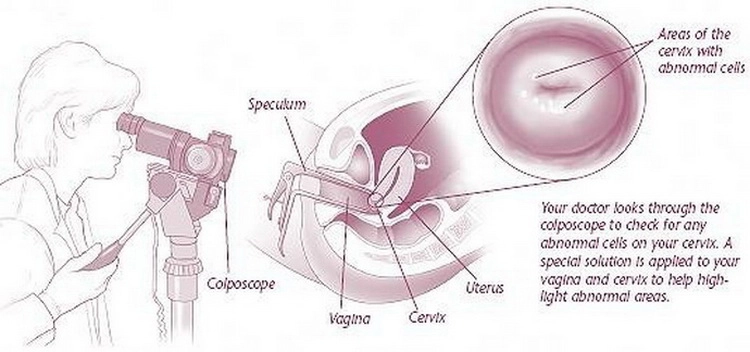
A colposcopy is a gynaecological examination performed for the detection and investigation of abnormal changes in the cervix of the uterus, the vagina, and the vulva. Using a colposcope, which is a microscope that magnifies the cervix up to 60 times, the doctor can identify any lesions related to the human papillomavirus (HPV) or other abnormalities. Colposcopy, the cost of which varies, is recommended after “suspicious” results on a Pap smear and is important for prevention and the early diagnosis of gynaecological problems.
The HPV (Human Papilloma Virus) is the human papillomavirus, which is responsible for visible (genital) warts, as well as for microscopic changes in the cells of the cervix. To date, 120 subtypes have been identified, 40 of which are sexually transmitted.
Colposcopy initially reveals whether HPV has caused abnormalities. It then accurately identifies the location, extent, and severity of the lesion. In addition, it allows the comparative assessment of a lesion’s course, i.e., whether it is regressing, progressing, or remaining stable.
It is worth noting that there is a vaccine available for some HPV types, providing immunity and therefore protection against HPV-related lesions. The widely used vaccine, provided free of charge by most insurance providers, is called GARDASIL 9 and provides immunity against HPV types 6, 11, 16, 18, 31, 33, 45, 52, and 58. It is administered in two doses at ages 9–14, and it is given as an intramuscular injection on a schedule of 0, 2, and 6 months.
The procedure of colposcopy is bloodless, brief, and painless. The woman lies in the position for a gynaecological examination, with the colposcope placed at a distance of 10–15 cm from her body. Using the strong light and magnification of the colposcope, the doctor thoroughly examines the cervix, vagina, and vulva. During the examination, a diluted acetic acid solution is applied, which “wets” the skin and mucous membranes, revealing changes that were not previously visible. If the doctor deems it necessary, they may also use an iodine solution, such as Lugol’s iodine, in which normal areas of the cervix appear dark.
If needed, a colposcopic biopsy is performed with high precision and minimal tissue damage. The sample taken is analysed histologically and molecularly, providing important information to determine the next therapeutic steps or the follow-up plan for each woman. Recovery after colposcopy is usually quick, with most women returning to their daily activities immediately after the examination. After the procedure, especially if a biopsy has been taken, it is common to have some bleeding for a few days after colposcopy.
Colposcopy does not require any special preparation. However, you should schedule your appointment for a day when you are not on your period. If there is inflammation in the lower genital tract (cervix, vagina, vulva), it is sensible to receive treatment before colposcopy. Also remember to bring the results of previous tests, such as the Pap smear and the HPV test.
With colposcopy, the doctor can detect abnormalities or lesions that are not visible to the naked eye, such as precancerous changes, warts, cervicitis, and benign neoplasms.
Colposcopy is recommended in cases of:
● a positive HPV test, especially for HPV types 16 or 18
● the detection of suspicious cells on a Pap smear
● a suspicious gynaecological examination
● preoperative procedures, to assess the extent of abnormalities and accurately define the boundaries of the area that needs to be removed
Colposcopy is a safe examination that can be performed during pregnancy, especially when indicated by an abnormal Pap smear or a positive HPV test.
The award-winning obstetrician and surgeon gynaecologist M.R.C.O.G., C.C.T. D. Koleskas has extensive clinical experience and excellent theoretical training (certified member of the British Society for Colposcopy and Cervical Pathology, RCOG/BSCCP since 2007), which enables him to empower patients to remain in control of decisions in an environment where open communication, the most up-to-date scientific knowledge, and medical safety prevail. For more information about what colposcopy is and what it shows, how it is performed, and how much it costs, contact the doctor and schedule your appointment.
