


Polycystic Ovary Syndrome (PCOS)

● menstrual disorders such as oligomenorrhoea, infrequent periods, or amenorrhoea
● increased hair growth on the face, chest, and back or male-pattern hair loss (due to increased androgen levels in the blood)
● subfertility/infertility
● dermatological problems such as acne and oily skin
● insulin resistance, which leads to weight gain above normal levels (often with fat accumulation around the abdomen) and an increased risk of developing type 2 diabetes
● hypertension
● the appearance of many small cysts on the surface of the ovaries
● metabolic syndrome
● Depression
● taking a detailed medical history
● blood tests to assess levels of key hormones
● ultrasound to evaluate the appearance of the ovaries
Diagnosis first requires excluding other hormonal disorders that may present with similar symptoms, such as thyroid disorders, prolactin disorders, and adrenal disorders. To ensure an accurate diagnosis, it is important that a specialised gynaecologist for polycystic ovaries and a reproductive specialist evaluate the tests and the medical history.
● aerobic exercise and weight loss (for overweight patients).
● taking modern dietary supplements, such as myo-inositol, as well as vitamin D, which help address the metabolic effects of the syndrome.
● taking contraceptive pills for young women who primarily wish to manage symptoms. This is an effective option, although it does not address the root cause of the problem. For women trying to conceive, there are specific medications that can be used to better control metabolic issues and restore ovulation. In addition, there is the option of medication-induced ovulation induction, aiming to achieve pregnancy through natural intercourse.
● surgery with ovarian drilling in rare cases where symptoms persist. This is a laparoscopic procedure that involves removing multiple small cysts from the ovaries, reducing androgen levels and stabilising the cycle. The positive results, including a higher chance of conception, last at least six months after the procedure. This technique is used less and less due to potential complications of laparoscopic surgery and the effectiveness of medical treatment.
In our clinic, we adopt an individualised approach to the diagnosis and treatment of polycystic ovary syndrome. Every woman experiencing symptoms has unique needs and priorities, which we take into account when selecting the appropriate treatment strategy. In many cases, proper lifestyle counselling—whether combined with medication or not—can help reverse symptoms, restore ovulation, and improve the couple’s fertility. Our approach aims to provide comprehensive care tailored to each patient’s needs.
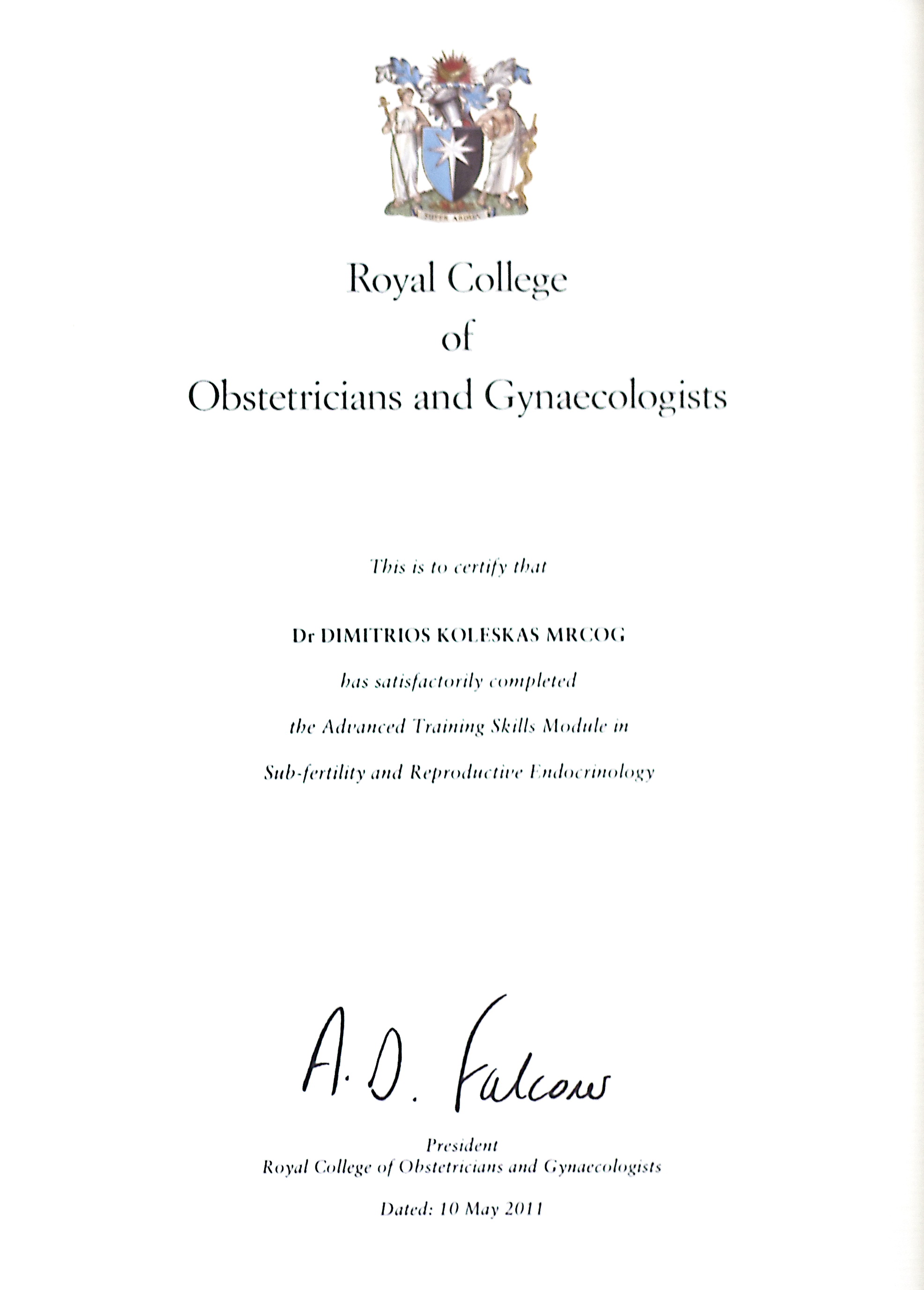
Obstetrician and surgeon gynaecologist M.R.C.O.G., C.C.T. D. Koleskas, has excellent theoretical training certified by the Royal College of Obstetricians and Gynaecologists of the UK and over two decades of practical experience in human reproduction and reproductive endocrinology. With a patient-centred approach, he offers high-quality care to his patients based on up-to-date scientific knowledge and medical safety.
If you need information about when polycystic ovaries appear, what polycystic ovary syndrome is and how it is treated, please contact Dr Koleskas and schedule your visit for individualised care and counselling.
Frequently Asked Questions
When Do Polycystic Ovaries Appear?
Polycystic ovaries usually appear during adolescence, between 13 and 18 years, when hormonal changes become more pronounced. In 25% of cases, they may even manifest earlier, i.e., between 11–12 years. However, some women may develop symptoms later, after reaching adulthood, often in combination with weight gain or other metabolic changes.
How Do Polycystic Ovaries Go Away?
Polycystic ovaries do not have a definitive cure, but their symptoms are manageable. Treatment usually includes lifestyle changes, such as a healthy diet, weight loss, and regular exercise, which can help regulate the cycle and reduce symptoms. In addition, medication, such as contraceptive pills, may be used to manage specific symptoms, such as irregular periods, acne, or unwanted hair growth. It is worth noting, however, that treatment is tailored to each woman’s needs after a comprehensive evaluation by the doctor.
Do Polycystic Ovaries Affect Fertility? Can I Have Children If I Have Polycystic Ovaries?
Polycystic ovary syndrome (PCOS) can affect fertility due to disruptions in the menstrual cycle and the absence of ovulation, which increases the likelihood of subfertility. However, most women with PCOS can become pregnant with appropriate medical support and treatment. Therefore, although polycystic ovaries may make it more difficult to conceive, fertility is not ruled out and the majority of women can have children with the right guidance.
Do Polycystic Ovaries Affect Pregnancy?
Polycystic ovaries (PCOS) can affect pregnancy, as during pregnancy women may face a higher risk of complications such as gestational diabetes, preterm birth, and preeclampsia. They also have an increased risk of miscarriage, particularly in the first months of pregnancy. Proper medical monitoring and management, however, can help address these risks.
Are Contraceptives Necessary for Polycystic Ovaries?
Contraceptive pills are not necessary for managing polycystic ovary syndrome, but they are one of the most commonly used treatments for its symptoms. They are prescribed mainly to regulate menstruation, reduce excess hair growth and acne, and protect against endometrial hyperplasia or endometrial cancer. In addition, they help reduce androgen levels and normalise the cycle; however, they do not cure the condition, but they manage the symptoms.
