


Nutrition and Fertility
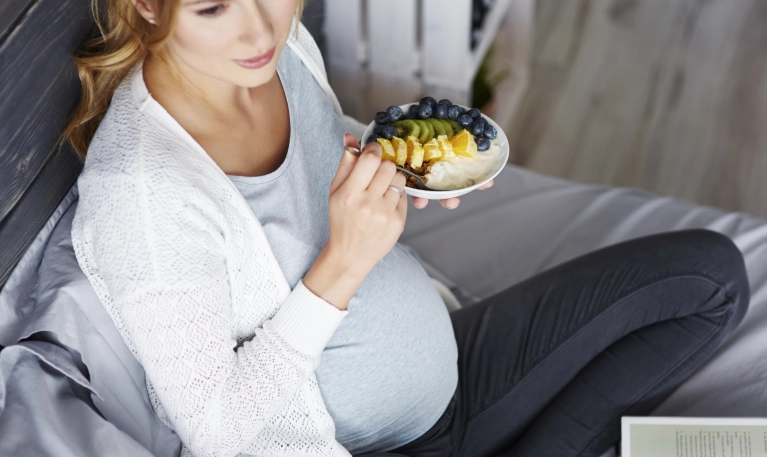
Infertility is a modern and growing problem in the populations of industrialised countries, mainly due to postponing parenthood. The issue is further exacerbated by an unhealthy lifestyle, such as smoking, significant alcohol consumption, and an unbalanced diet.
Fertility is directly affected by our lifestyle and daily habits; therefore, by adopting a healthy way of living we clearly increase our chances of preserving or improving fertility.
Frequent, smaller meals that include foods from all food groups are the basic rule of a proper and balanced diet.
It is well known that the chances of conception decrease in women who are either underweight or overweight, as hormone function is affected, thereby interfering with ovulation.
Studies also suggest that overweight men may have reduced testosterone levels, which can affect sperm function.
Research has shown that intake of specific nutrients by both women and men can improve overall health and, more specifically, support reproductive function by increasing the chances of conception.
An unbalanced diet characterised by low intake of trace elements and vitamins has been associated with adverse fertility outcomes. In particular, B vitamins, folic acid (when trying to conceive we recommend a dietary supplement), vitamin B6 and vitamin B12 are very important.
It is often said that we are what we eat. It seems, however, that what our mother ate also matters. One study points out that a woman’s diet before becoming pregnant affects the genes of her future child. In addition, diet before conception can have a lifelong impact on the health of the unborn child.
The nutrients needed for the biochemical reactions involved in fetal development include vitamins B2, B6 and B12, as well as choline, methionine and folic acid.
- Folic acid: may play a role in conception and is essential during the first weeks of pregnancy for the normal development of the embryo’s neural tube.
- Vitamin B12: has been found to potentially contribute to proper ovarian function.
- Vitamin B6: helps the proper function of genetic material (DNA).
- Vitamin C: may help enrich cervical mucus and thus help sperm survive and travel to the egg to fertilise it. It also acts as an antioxidant on genetic material.
- Vitamins and minerals (iron, etc.): generally strengthen the body, improving overall health, enhancing metabolism and thereby increasing the chances of conception.
- Essential fatty acids: help the proper function of hormones.
- Omega-3 fatty acids: improve hormone function, improve cervical mucus and enhance blood circulation to the internal reproductive organs.
Research has shown that a small amount of organic soy on a daily basis at lunch or dinner from the beginning of an IVF cycle may help achieve a positive outcome.
Soy is largely sprayed with pesticides and is often genetically modified, so organic products are essential.
For example:
· Organic soy milk
· A small portion of edamame
· Soy mince
· Tofu
For men, soy consumption is not necessary; the intake of the following nutrients may be particularly beneficial:
- Zinc: is essential for producing an adequate quantity and good quality of sperm, and deficiency may contribute to male infertility. Smoking, alcohol, stress and tea reduce zinc levels in the body and can also hinder its absorption.
- Antioxidants: protect sperm from toxic substances produced in the body that can damage it. Important antioxidants include vitamins C and E, selenium, coenzyme Q10, etc. Selenium, for example, has been found to potentially help sperm motility. It is also worth noting that various extracts, such as pine bark extract, are extremely rich in antioxidants.
- L-arginine and L-carnitine: amino acids that support the male reproductive system. They enhance sperm production, improve sperm motility, and contribute to the ability of sperm to reach the egg.
Consult your fertility specialist before taking any supplement in order to ensure the correct and effective dosage.
BLOOD GLUCOSE
It is important to avoid fluctuations in blood sugar levels. Increased sugar intake can cause many undesirable symptoms such as headaches, dizziness, fatigue, lack of energy, irritability, and cravings for sweet foods. It can also worsen symptoms of polycystic ovary syndrome. Elevated blood sugar levels are associated with lower egg and sperm quality. Sugary foods and drinks, as well as processed carbohydrates, are digested very quickly, causing a rapid rise of glucose in your bloodstream. This can then lead to hypoglycaemia (low blood sugar) and the feelings of tiredness and irritability mentioned above. Stimulants such as coffee, tea and alcohol can have the same effect.
Processed carbohydrates also do not contain valuable nutrients and can cause weight gain, and excess weight worsens hormonal imbalances. This has important long-term health implications such as diabetes and cardiovascular disease.
· Eat regularly; never skip meals.
· Do not snack between meals.
· Try to always eat at least a small breakfast.
· Always combine proteins and carbohydrates within a meal, as this slows digestion and provides a gradual, slower release of glucose into the bloodstream. You will feel full for longer and, as a result, have more energy.
· Avoid processed carbohydrates—sweets, cakes, biscuits and desserts, juices, soft drinks, coffee with sugar, white bread, white rice and pasta.
· Eat fresh fruit and vegetables—raw in salads or steamed; choose fresh fruit as snacks instead of fruit juices.
· Add unsaturated fats to your meals—avocado, olives, almonds, peanuts, sunflower seeds, pine nuts, and cold-pressed organic olive oil. Vegetables and salads are delicious with olive oil, lemon juice, black pepper, and a handful of fresh herbs and seeds.
· Avoid processed foods that often contain sugars and artificial additives with little nutritional value.
· Eat peas and beans, chickpeas and lentils, as they are naturally a ready-made mix of protein and carbohydrates.
· If there is a long gap between lunch and dinner, a protein-rich snack late in the afternoon is a good idea. This will keep you satisfied and prevent you from eating a very large meal at night. Nuts—especially almonds, Brazil nuts, macadamia nuts, walnuts and plain cashews—sunflower and pumpkin seeds, oat biscuits with sugar-free peanut butter, hummus, or cottage cheese.
· Try not to eat dinner very late.
